The Importance of High Voltage Cables
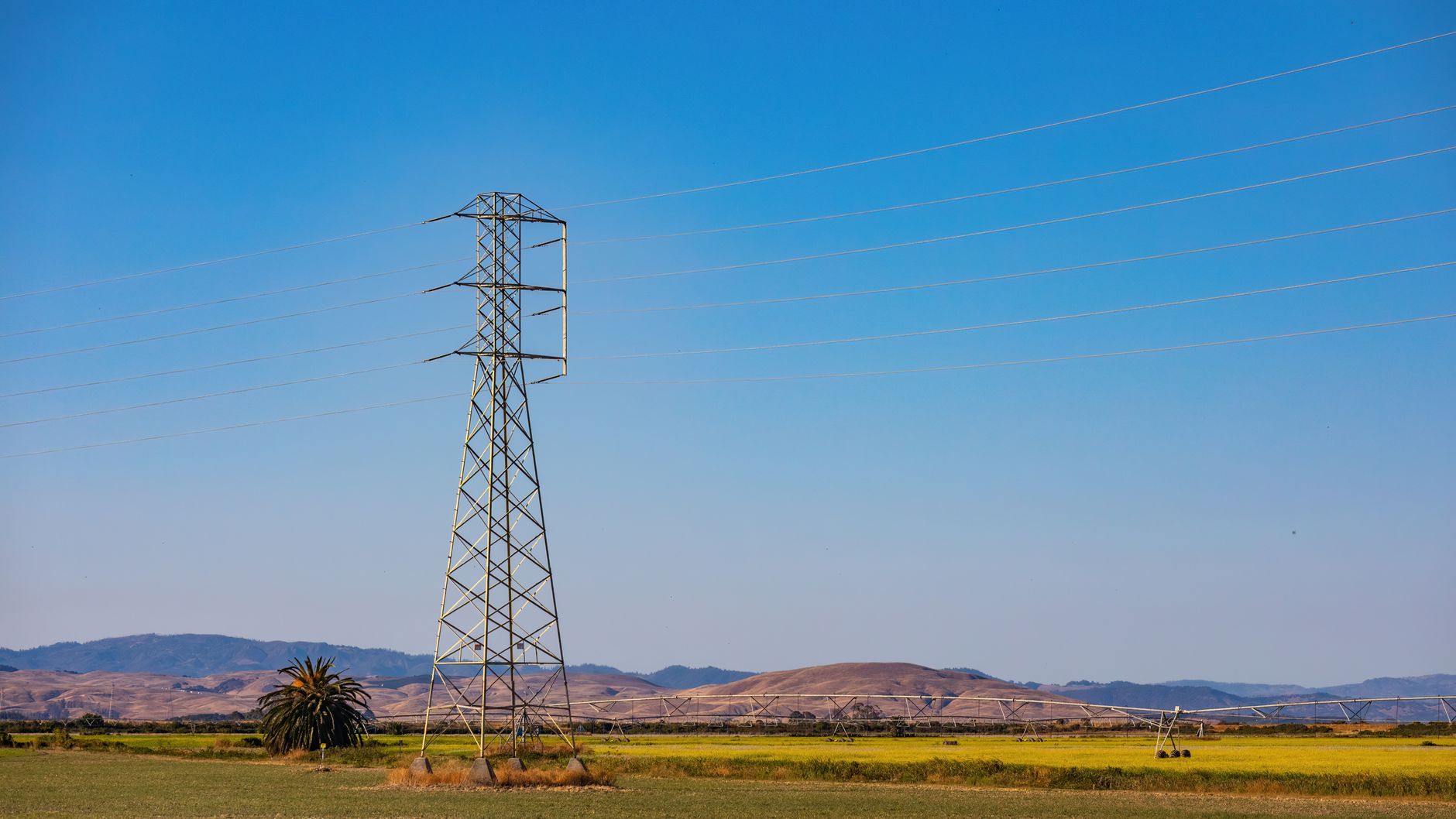
High voltage cables are a critical component in the infrastructure of renewable energy projects. As the world moves towards sustainable energy sources, these cables enable the efficient transmission of electricity generated from renewable sources such as wind, solar, and hydroelectric power. The ability to transfer large amounts of power over long distances while minimizing energy loss is essential for the success of these initiatives.
Key Functions of High Voltage Cables
High voltage cables serve several key functions in renewable energy projects:
- Efficient Transmission: They allow for the transmission of electricity at high voltages, which reduces current flow and minimizes energy loss through heat.
- Long-Distance Connection: These cables are designed to transport electricity over long distances, connecting remote renewable energy generation sites to urban centers where the demand is highest.
- Safety and Reliability: High voltage cables are engineered to withstand harsh environmental conditions, ensuring safe and reliable energy delivery.
- Grid Stability: They play a vital role in maintaining grid stability by facilitating the integration of various renewable energy sources.
Challenges in Renewable Energy Transmission
Despite their advantages, the implementation of high voltage cables in renewable energy projects does come with challenges:
- Installation Costs: The initial investment for high voltage infrastructure can be significant, which may deter some projects.
- Regulatory Hurdles: Navigating the regulatory landscape can be complex, with different jurisdictions having varying standards and requirements.
- Environmental Concerns: The installation of cables may impact local ecosystems, necessitating careful planning and mitigation strategies.
Innovations in High Voltage Cable Technology
Advancements in technology are driving improvements in high voltage cables, making them more efficient and environmentally friendly:
- Superconductors: The development of superconducting cables promises to minimize energy loss even further, providing an efficient solution for the future.
- Advanced Insulation Materials: New materials enhance the durability and performance of high voltage cables, allowing them to operate safely under extreme conditions.
- Smart Grid Integration: High voltage cables are increasingly being integrated with smart grid technologies, allowing for real-time monitoring and management of energy flow.
The Future of High Voltage Cables in Renewable Energy
As the demand for renewable energy continues to grow, the role of high voltage cables will become even more crucial. Investments in infrastructure will be necessary to expand the capabilities of renewable energy systems. Moreover, with a push towards smart grids and increased efficiency, these cables will be at the forefront of transforming the energy landscape.
If you are considering a renewable energy project and want to understand more about the role of high voltage cables, do not hesitate to reach out to us. Call us at 1-844-224-4448 or email us at sales@caiwire.com for expert advice and solutions tailored to your needs.
Navigation
The Importance of High Voltage Cables
Key Functions of High Voltage Cables
Challenges in Renewable Energy Transmission
Innovations in High Voltage Cable Technology
The Future of High Voltage Cables in Renewable Energy