Common Issues with Multi Conductor Cable
Multi conductor cables are widely used in various applications, from industrial settings to residential wiring. However, like any electrical component, they can present certain issues that may affect performance and safety. Understanding these common problems is crucial for effective troubleshooting, ensuring that your systems operate smoothly and efficiently.
Poor Connections
One of the most prevalent issues with multi conductor cables is poor connections. This can arise from inadequate installation practices, corrosion, or wear and tear over time. Poor connections can lead to intermittent signals, increased resistance, and even complete circuit failure.
To troubleshoot poor connections, follow these steps:
- Inspect the connections for any visible signs of corrosion or damage.
- Ensure that all connectors are securely fastened and properly seated.
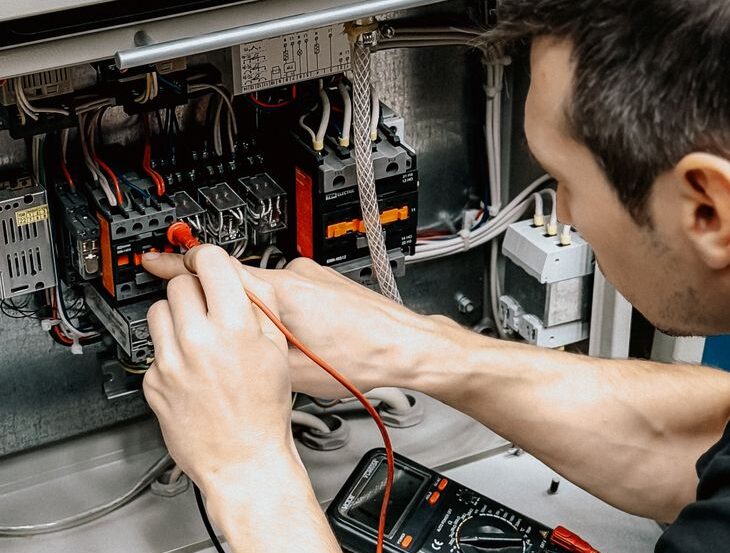
- Use a multimeter to test the continuity of the connections and identify any breaks in the circuit.
Signal Interference
Signal interference is another common problem associated with multi conductor cables. This can occur due to electromagnetic interference (EMI) from nearby electrical equipment or radio frequency interference (RFI) from wireless devices. Such interference can result in degraded signal quality, leading to performance issues.
To troubleshoot signal interference, consider the following approaches:
- Re-route the cable to distance it from potential sources of interference.
- Use shielded cables that provide protection against EMI and RFI.
- Check grounding connections to ensure they are effective in reducing interference.
Cable Damage
Cable damage can occur for various reasons, including physical abrasion, exposure to harsh environmental conditions, or rodents chewing on the cables. Damaged cables can lead to shorts, open circuits, or other failures that can disrupt operations.
To troubleshoot cable damage, follow these steps:
- Visually inspect the cable for any signs of wear, cuts, or other damage.
- Test the cable with a continuity tester to identify any breaks in the wire.
- If damage is detected, consider replacing the affected section or the entire cable as necessary.
Overheating
Overheating is a critical issue that can lead to severe consequences, including fire hazards. It can be caused by excessive current draw, poor connections, or inadequate cable ratings for the application. Overheating not only affects the cable but can also damage connected devices.
To troubleshoot overheating issues, take the following actions:
- Monitor the current draw to ensure it does not exceed the cable’s rated capacity.
- Check for any signs of melting, discoloration, or burning around the cable and connections.
- Ensure that the cable is adequately rated for the application and consider upgrading if necessary.
Addressing these common issues with multi conductor cables is essential for maintaining the integrity and functionality of your electrical systems. Regular checks and proactive maintenance can prevent many of these problems from arising.
If you are experiencing issues with your multi conductor cables and need expert assistance, feel free to reach out to us at 1-844-224-4448 or via email at sales@caiwire.com. Our team is ready to help you troubleshoot and resolve any concerns you may have.
Navigation
Common Issues with Multi Conductor Cable
Poor Connections
Signal Interference
Cable Damage
Overheating