
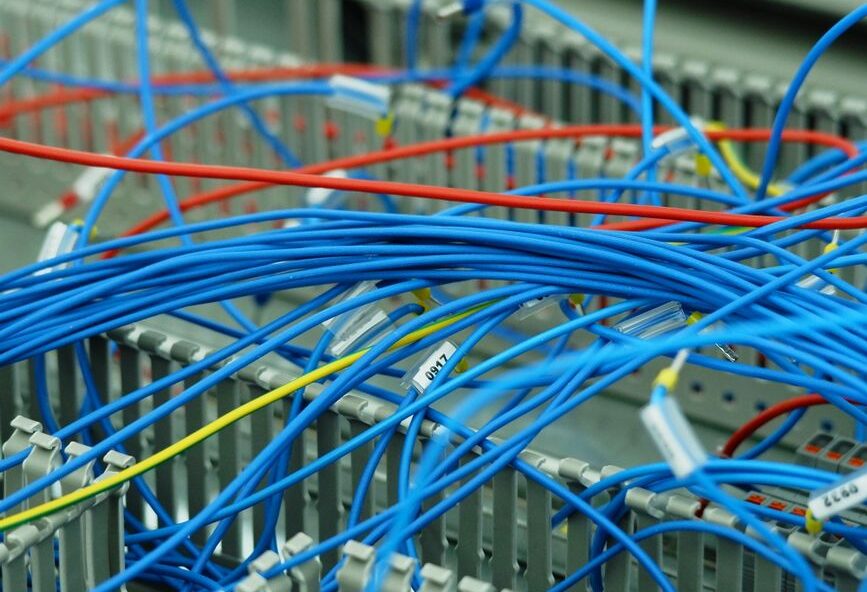
Understanding Thermocouple Wire
Thermocouples are critical components in temperature measurement and control systems. They consist of two dissimilar metals joined at one end, creating a voltage that corresponds to temperature changes. The wire used in thermocouples plays a vital role in ensuring accurate readings and reliable performance. This guide delves into the specifications and considerations for thermocouple wire, making it easier for you to choose the right one for your applications.
Types of Thermocouple Wire
Thermocouple wires come in various types, each suitable for different temperature ranges and environmental conditions. Here are some of the most common types:
- Type K: Nickel-Chromium/Nickel-Alumel. This is the most widely used thermocouple due to its broad temperature range (-200°C to 1260°C) and good stability.
- Type J: Iron/Constantan. Best for lower temperature ranges (-40°C to 750°C), Type J is suitable for vacuum and inert atmospheres.
- Type T: Copper/Constantan. Ideal for cryogenic applications, it operates effectively in temperatures from -200°C to 350°C.
- Type E: Nickel-Chromium/Constantan. This type is known for its high output and is suitable for temperatures from -200°C to 900°C.
- Type N: Nickel-Chromium-Silicon/Nickel-Silicon. This newer type offers good stability and is recommended for high-temperature applications up to 1300°C.
Thermocouple Wire Specifications
When selecting thermocouple wire, several specifications come into play. Understanding these can help ensure optimal performance:
Temperature Range
The temperature range is crucial when choosing thermocouple wire. Each type has a specific range that determines its suitability for different environments. Ensure that the wire can withstand the maximum temperatures encountered in your application.
Insulation Type
Insulation materials can impact the wire’s performance. Common insulation types include:
- Fiberglass: Suitable for high temperatures but less resistant to moisture.
- PTFE (Teflon): Excellent chemical resistance and temperature stability.
- PVC: Cost-effective and suitable for lower temperature applications.
Wire Diameter
The diameter of the thermocouple wire affects its response time and durability. Thinner wires provide faster response times but may be more susceptible to damage. Conversely, thicker wires are more robust but can have slower response times.
Accuracy and Calibration
Accuracy is paramount in temperature measurement. Thermocouple wire should be calibrated to ensure precision in readings. Regular checks and calibrations are advised to maintain accuracy, especially in critical applications.
Application Considerations
When selecting thermocouple wire, consider the following factors:
- Environment: Assess the environmental conditions, such as exposure to chemicals or moisture.
- Temperature fluctuations: Understand the expected temperature fluctuations to choose an appropriate wire type.
- Length of wire: Longer wires may require compensation for voltage drop, affecting accuracy.
By taking these considerations into account, you can ensure that your thermocouple wire will perform reliably and accurately in your specific application.
If you have any questions or need assistance in selecting the right thermocouple wire, feel free to reach out to us at 1-844-224-4448 or via email at sales@caiwire.com. We’re here to help you find the best solutions for your temperature measurement needs.
Navigation
Understanding Thermocouple Wire
Types of Thermocouple Wire
Thermocouple Wire Specifications
Application Considerations