Understanding High Voltage Cables
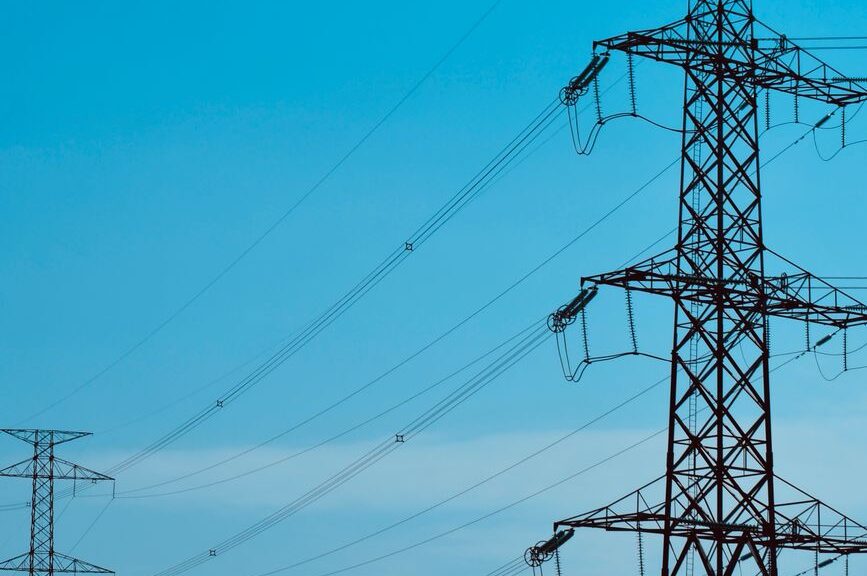
High voltage cables are integral components of modern electrical systems, playing a critical role in the efficient transmission of electricity across vast distances. As urbanization and industrialization continue to surge, the demand for reliable and efficient power transmission has never been greater. High voltage cables are designed to carry electricity at voltages exceeding 1000 volts, ensuring that power can be transmitted over long distances with minimal losses.
Structure and Composition of High Voltage Cables
The construction of high voltage cables is paramount to their functionality and longevity. These cables typically consist of several key components:
- Conductor: Usually made from copper or aluminum, the conductor carries the electrical current.
- Insulation: A robust layer that prevents electrical leaks and protects against environmental factors.
- Shielding: Provides additional safety by protecting the cable against external electromagnetic interference.
- Jacket: The outer layer that protects the cable from physical damage and environmental hazards.
This layered structure ensures that high voltage cables can withstand the stresses of transmission while maintaining safety standards.
Importance of High Voltage Cables in Electrical Systems
High voltage cables serve multiple essential functions in electrical systems:
- Efficiency: High voltage transmission reduces energy losses that occur during power transfer. By increasing the voltage, the current is lowered, which minimizes resistive losses.
- Capacity: These cables can handle a larger amount of power, making them ideal for supplying energy to large urban areas and industrial centers.
- Reliability: With proper insulation and shielding, high voltage cables are less susceptible to damage from environmental factors, ensuring consistent power supply.
- Cost-Effectiveness: While the initial installation may be higher, the long-term benefits of reduced energy losses and maintenance costs make high voltage cables a financially sound investment.
As energy demands grow, the importance of high voltage cables in maintaining a stable and efficient electrical grid cannot be overstated.
The Future of High Voltage Cables
Looking ahead, advancements in technology are set to enhance the capabilities and efficiency of high voltage cables even further. Innovations such as superconductors and improved insulation materials are paving the way for more efficient power transmission solutions. The integration of smart grid technology is also expected to optimize the use of high voltage cables, allowing for better monitoring and management of electricity flow.
In the context of renewable energy sources, high voltage cables play a crucial role in connecting remote wind and solar farms to urban centers, facilitating the transition to a more sustainable energy future. As we move forward, investing in high voltage cable technology will be key to meeting global energy demands while minimizing environmental impact.
If you are interested in learning more about high voltage cables and how they can benefit your electrical systems, feel free to reach out to us at 1-844-224-4448 or via email at sales@caiwire.com. Our team is here to provide expert advice and solutions tailored to your needs.
Navigation
Understanding High Voltage Cables
Structure and Composition of High Voltage Cables
Importance of High Voltage Cables in Electrical Systems
The Future of High Voltage Cables