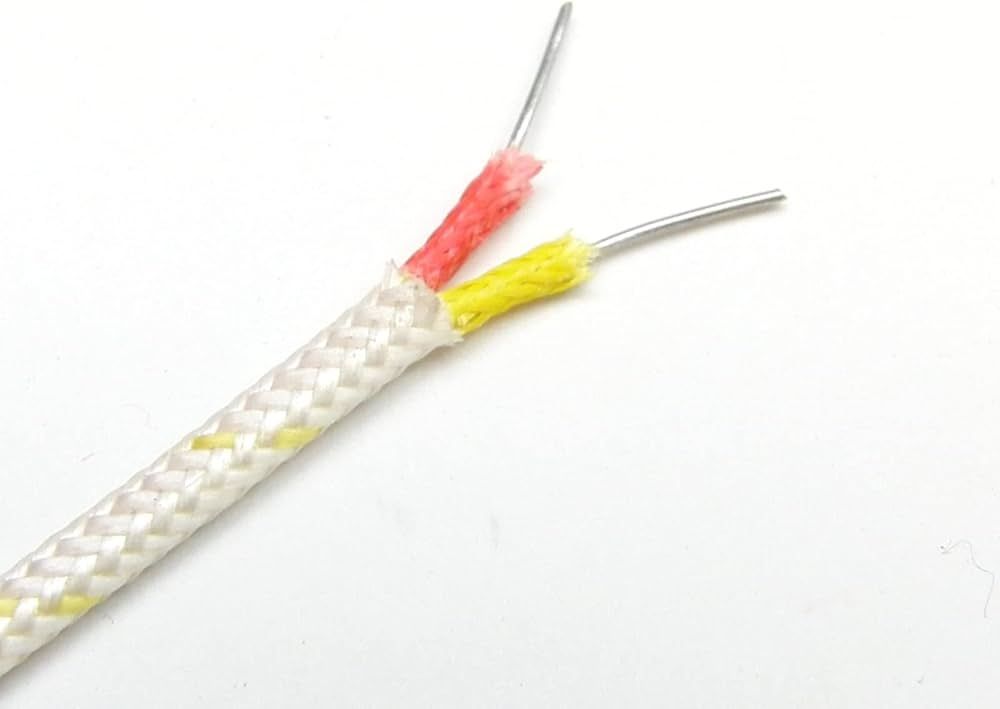
Setup tips for thermocouple extension wire that ensure accuracy
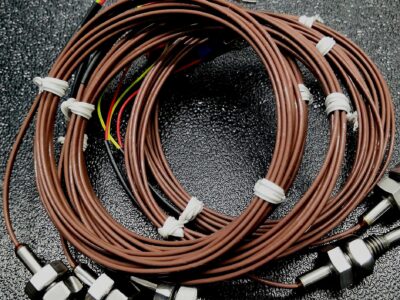
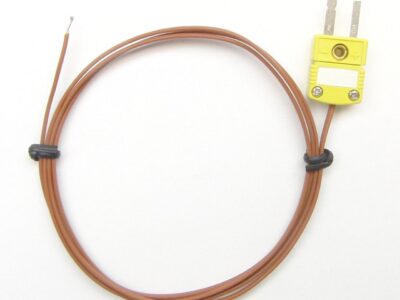
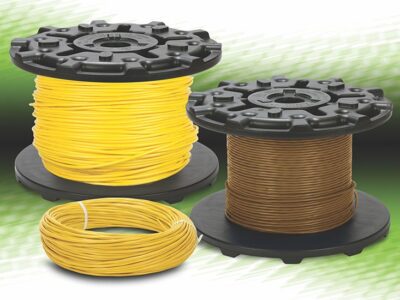
Thermocouple extension wires are crucial for extending the signal from the thermocouple sensor to the measuring instrument without introducing error. While their primary function is simple, proper installation is key. These setup tips for thermocouple extension wire help ensure accurate temperature readings and long-lasting performance in demanding environments.
First, always match the extension wire type to the thermocouple type – Type K sensors should only use Type K extension wire. Using mismatched materials can create false signals. One of the most critical setup tips for thermocouple extension wire is avoiding long runs near power lines or motors, as this can introduce electrical noise.
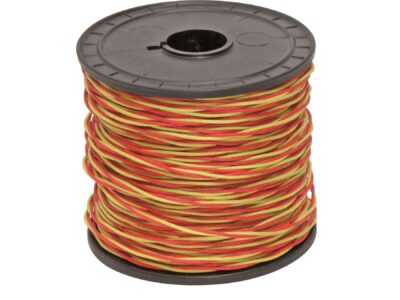
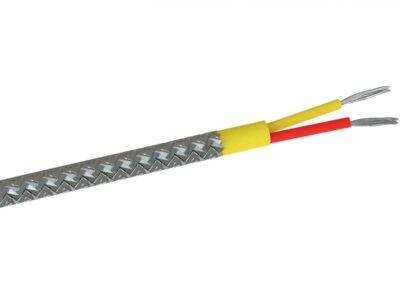
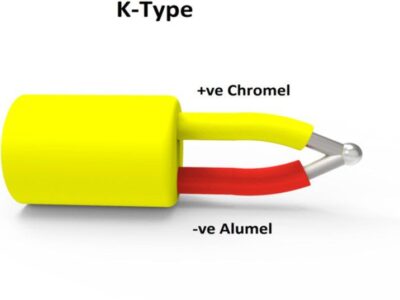
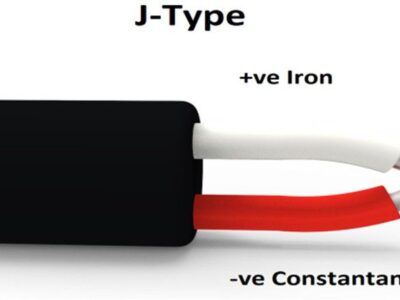
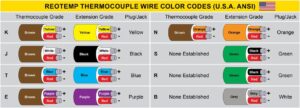
Next, always observe correct polarity and color coding. Reversed polarity is one of the most common installation errors. Shielded wire is also recommended in environments with high electromagnetic interference. Another of the key setup tips for thermocouple extension wire is to properly ground the shield at one end only to prevent ground loops.
More essential setup tips for thermocouple extension wire you should know
Thermocouple extension wire plays a vital role in transmitting temperature signals from the probe to the control or display unit. However, to maintain accuracy, installers must follow some setup tips for thermocouple extension wire. Below are a few more critical setup tips for thermocouple extension wire to help avoid common pitfalls and performance issues.
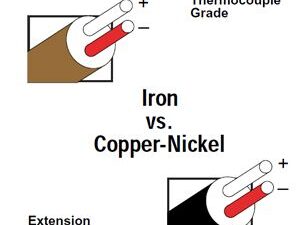
One of the most basic setup tips for thermocouple extension wire is to never substitute standard wire for extension wire. Thermocouple extension wires are made from specific alloys that match the thermocouple type and preserve the thermoelectric signal. Always check the insulation and conductor materials to ensure compatibility with the environment.
Another important consideration is routing. One of the best setup tips for thermocouple extension wire is to keep the wire path away from sources of heat or vibration, which can degrade performance over time. In high-noise environments, use shielded extension wires and properly bond the shielding to a single ground point.
Contact CAI Wire for more useful setup tips for thermocouple extension wire
We at CAI Wire offer more than just thermocouple wires – we offer confidence. Whether you need Type K, Type J, shielded or high-temperature extension wires, these products are engineered to perform in the most demanding industrial and commercial environments.
From manufacturing plants to research labs, these thermocouple wires ensure accurate, stable temperature readings when it matters most. With a wide range of configurations and insulation types, we’ve got the right wire for your application.
Setup tips for thermocouple extension wire that ensure accuracy
More essential setup tips for thermocouple extension wire you should know
Contact CAI Wire for more useful setup tips for thermocouple extension wire
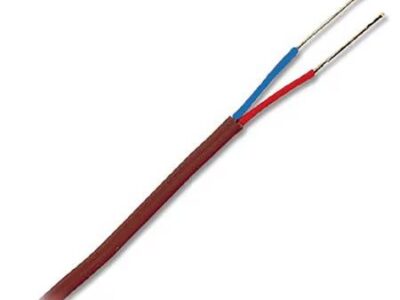 Setup tips for thermocouple extension wire 4 - Contact with CAI Wire!