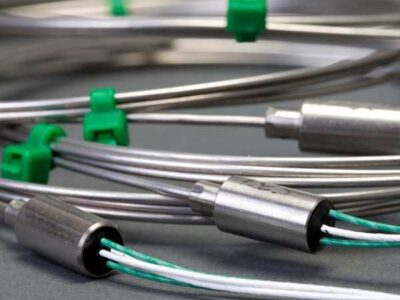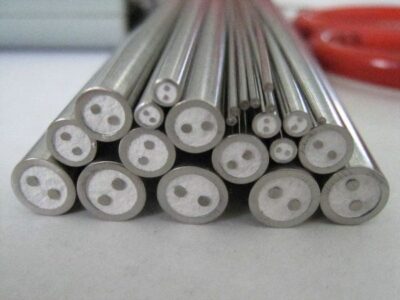

Differences of Type J thermocouple wire and its applications
The differences of Type J thermocouple wire make it a valuable component in many industrial and commercial settings. Unlike other thermocouple types, Type J wire is specifically constructed with iron and constantan materials, offering unique thermal response characteristics and a temperature range that works best in clean, dry environments.
Among the most noticeable differences of Type J thermocouple wire is its limited temperature ceiling compared to high-heat alternatives like Type K. This difference of Type J thermocouple wire makes it an excellent choice for mid-range temperature applications such as injection molding, autoclaving and food production. Another of the critical differences of Type J thermocouple wire is that it provides stable readings at lower temperatures, which is essential for processes requiring high precision and repeatability.
More important differences of Type J thermocouple wire
When selecting the right thermocouple for temperature measurement, understanding the differences of Type J thermocouple wire is critical to ensuring accurate results and reliable performance. Type J thermocouple wire is made from iron and constantan, a copper-nickel alloy, and is best suited for environments where the temperature range is between -210°C and +760°C.
The differences of Type J thermocouple wire also include its quick response time and cost-effectiveness, particularly for lower-temperature operations. For manufacturers focused on energy efficiency and consistent temperature control, the differences of Type J thermocouple wire make it a preferred option. By recognizing the differences of Type J thermocouple wire, you can choose the right tool for precise and stable thermal measurements.
Contact CAI Wire to learn more about the differences of Type J thermocouple wire and choose the right solution
When it comes to thermocouple wire, reliability isn’t optional — it’s essential. We at CAI Wire understand the critical role accurate temperature measurement plays in your operations, whether you’re in manufacturing, energy, research or process control. That’s why we offer a full range of thermocouple wire solutions including Type K, Type J, high-temperature, shielded and extension-grade wire — all meeting stringent quality standards and tested for durability in real-world conditions.
No matter your application, we have the right wire to ensure your systems run smoothly, efficiently and safely. With competitive pricing, quick response times and a knowledgeable support team ready to assist, CAI Wire is more than just a supplier — we’re your trusted partner in thermal measurement solutions.
Have questions about the differences of Type J thermocouple wire?
We’re here to help. Reach out to our team today to discuss your project requirements, request a quote or learn more about the differences of Type J thermocouple wire.
Differences of Type J thermocouple wire and its applications
More important differences of Type J thermocouple wire
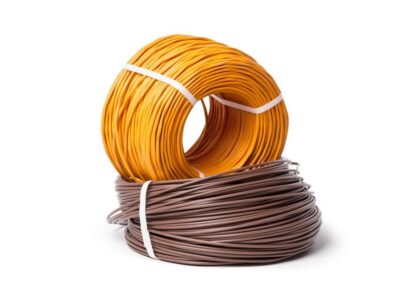 Differences of Type J thermocouple wire 4 - we’re your trusted partner!